
Desiccated coconuts: between price declines and supply risks
October 13, 2026 at 4:56 PM ,
Der AUDITOR
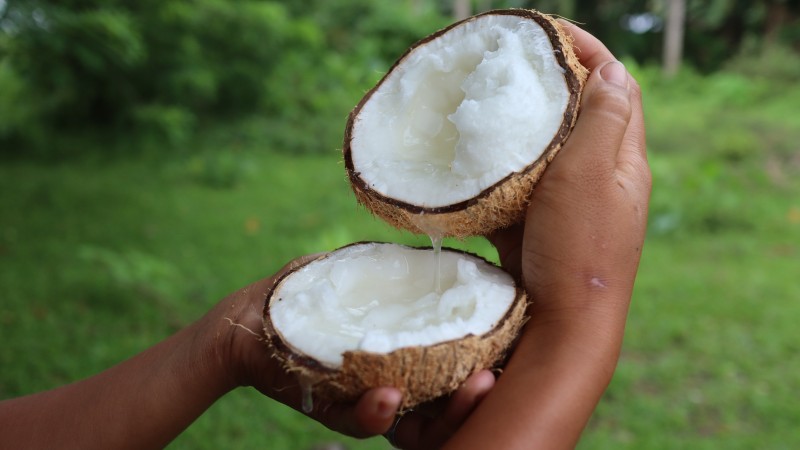
Stable prices for desiccated coconuts
The coconut market is showing mixed trends: whilst export quotations for desiccated coconuts in the Philippines remained unchanged for the 34th consecutive time, domestic prices fell slightly. The downward trend continued for coconut oil and copra, according to experts at T.M. Duché in their latest report. Prices on the European spot market have also remained unchanged for several weeks.
|
Desiccated coconuts |
|
|
Quality |
EUR/mt |
|
high fat, fine, Indonesia |
2,500 |
|
high fat, medium, Vietnam |
2,000 |
|
high fat, fine, Philippines |
2,750 |
|
FCA NL; price indications |
|
Coconut oil and copra cheaper
Philippine desiccated coconut exports totalled around 14,300 mt in August. This was 15.2% below the level for the same month last year, but 9.1% above the average monthly volume for the first seven months of 2026. From January to August, a total of 106,030 mt was exported, compared with 110,240 mt in the same period last year.
International coconut oil prices fell for a further week. In addition to weaker sentiment in the palm oil and soybean oil markets, improved copra availability in the Philippines contributed to this trend. Philippine copra prices fell in most growing regions. Both average millgate prices and average farmgate prices declined.
El Niño and port issues pose risks
According to its assessment of 8 October, the US National Oceanic and Atmospheric Administration (NOAA) estimates there is a probability of more than 83% of a strong to very strong El Niño event, which could persist until March 2027. The Philippine weather service, PAGASA, has also warned of an increased risk of below-average rainfall, prolonged dry spells and droughts extending into the first half of 2027. The recent decline in rainfall in the Philippines is consistent with this trend. Persistent drought can impair flowering, fruit set and the development of coconuts, although any potential impact on supply will be felt with a time lag, according to T.M. Duché.
In addition, port congestion and restrictions on container availability are hampering exports from the Philippines. Although international freight rates have mostly fallen recently, this may still result in delays and additional costs for exporters. In the short term, the market remains under pressure due to improved copra availability and weaker oil prices, whilst El Niño and logistical problems could weigh on supply prospects for 2027.
View more
- price chart, desiccated coconuts, Sri Lanka
- price chart, desiccated coconuts, Indonesia
- price chart, desiccated coconuts, Philippines
- price chart, coconut oil, Indonesia
- more price charts
View related articles