Raisins South Africa: Know your raisins, know their origin
October 7, 2026 at 2:45 PM ,
Der AUDITOR
For global raisin buyers, origin increasingly means more than a country name on a specification sheet. It means understanding where a product comes from, how it was produced, the systems that support quality and compliance, and whether the supply base can remain dependable over the long term. South Africa is strengthening its position in this environment by giving the market greater visibility of the production system behind its raisins. The message is simple: know your raisins, know their origin.
A production environment built for raisins
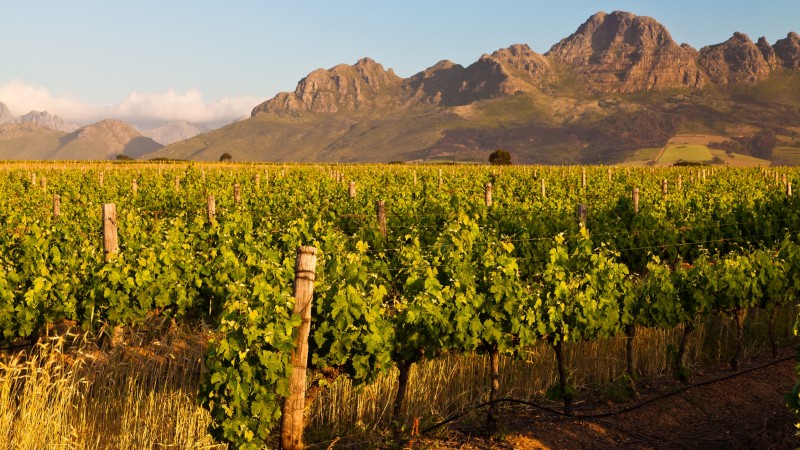
South Africa’s raisin industry is concentrated primarily along the Orange River in the Northern Cape and the Olifants River in the Western Cape. These production regions combine abundant sunshine, generally dry conditions and irrigated vineyard production, creating an environment naturally suited to raisin growing and drying. The country’s value as a raisin origin, however, extends beyond climate. Increasingly, the industry is combining its natural production advantages with stronger traceability, better production intelligence and coordinated market readiness.
A detailed picture of the vineyard base
Through Raisins South Africa’s industry stock census, central production database and dashboard, raisin vineyards are mapped and recorded at individual block level. This gives the industry a far more detailed view of its national production base than a single planted-hectare figure can provide.
For each recorded vineyard block, the system can capture information such as planting year, cultivar, rootstock, soil type, hectares, trellising system and geographic location. In practical terms, this means the industry can understand not only how much land is under raisin production, but also the composition, age profile and structural characteristics of the vineyard base.
“South Africa is not simply reporting a crop — it is increasingly understanding the production system behind it.”
Turning data into production intelligence
The value of this information goes well beyond traceability. It supports crop forecasting, technical planning, industry benchmarking and more informed long-term decision-making. It also helps Raisins South Africa build a clearer view of future production capacity.
By analysing planting years and the age profile of vineyards, the industry can distinguish between younger hectares still progressing towards full production, vineyards in their mature productive phase, and older blocks that may increasingly require renewal. When this is considered alongside cultivar, rootstock, regional distribution and other vineyard characteristics, it provides a stronger basis for understanding how South Africa’s production base may develop over time.
For international buyers, this matters. A crop figure provides a snapshot of one season; production intelligence provides context around the supply base behind that figure. Greater visibility supports more credible planning and reinforces South Africa’s position as a transparent, organised and forward-looking raisin origin.
Protecting a low-residue advantage
Traceability and production intelligence are closely linked to another priority for international food markets: responsible crop protection and residue management. South African raisins already benefit from a strong reputation for low residue levels, supported by naturally dry production conditions, responsible production practices and an established focus on food safety and compliance.
For the 2026/27 production season, Raisins South Africa has reinforced this position through a coordinated crop-protection and residue-management plan developed with crop-protection companies, technical specialists, producers and exporters. The plan is designed to preserve and strengthen an existing competitive advantage by helping growers make informed decisions throughout the season while remaining aligned with the requirements of international markets and customers.
The approach provides practical guidance from dormancy through to harvest, including appropriate active ingredients, application timing, withholding periods and defined crop-protection routes. By coordinating the value chain early in the production season, the industry can help reduce avoidable risk, support responsible crop-protection practices and give buyers greater confidence in the consistency and market readiness of South African raisins.
Confidence from vineyard to market
For Raisins South Africa, the objective is not to collect data for its own sake. The value lies in turning information into better decisions — for growers, technical teams, industry planners and ultimately international customers. Knowing where vineyards are located, how they are planted, what is growing in each block, and where future productive capacity may come from strengthening visibility throughout the supply chain.
In an increasingly competitive global market, the ability to offer more than product is becoming a meaningful point of difference. Buyers are looking for quality, continuity, compliance and reliable long-term relationships. South Africa’s raisin industry is responding by combining its natural production strengths with better information, proactive stewardship and systems designed to support dependable supply.
The result is a clearer picture of origin — not simply the country printed on the carton, but the vineyards, production blocks and systems behind the fruit. For buyers looking for confidence in where their raisins come from, knowing the raisins increasingly means knowing their South African origin.
by Raisins South Africa | www.raisinsa.co.za
View related articles