
Cranberries: China adjusts import duties
January 28, 2026 at 12:56 PM ,
Der AUDITOR
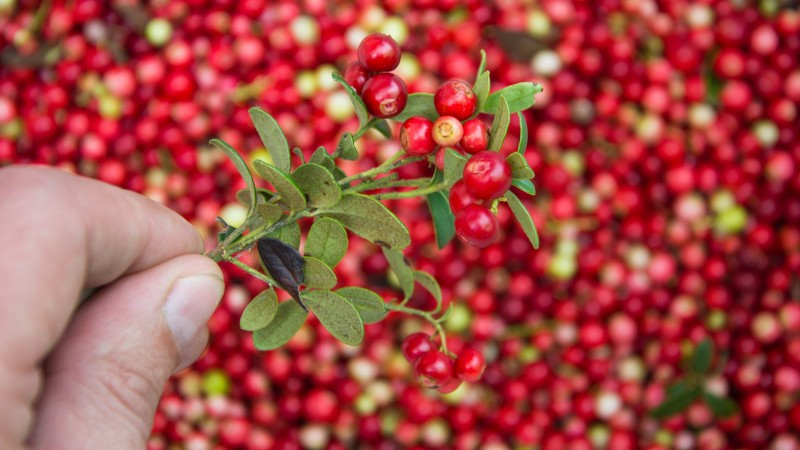
Adjustment of Chinese customs policy
At the end of December 2025, the Chinese Ministry of Finance and the State Customs Tariff Commission announced changes to customs policy, as reported by experts from the Chinese agricultural news site Produce Report. On 1 January 2026, China ended the temporary preferential tariffs on cranberries that had been in place since 2017 and returned to the regular customs duties. Import duties on fresh cranberries rose from 15% to 30%, and on dried cranberries to 25%. These are not new duties, but a return to the customs rates that were previously in force. The temporary tariff reductions had contributed to continuous growth in cranberry imports over a period of nine years.
Global market structure and demand trends
Global cranberry production is concentrated in a few countries. The USA, Canada and Chile are the largest producers, with the USA playing a dominant role. The state of Wisconsin alone accounts for over 60% of US production. In 2024, US exports of cranberries and cranberry products amounted to USD 351 million, accounting for around 45% of global exports. The global cranberry market had a volume of USD 2.18 billion in 2023 and is expected to grow to USD 3.42 billion by 2033 at an annual growth rate of 4.61%, according to market research firm Spherical Insights. The main growth driver is the Asia-Pacific region, with China being one of the fastest-growing sales markets.
Impact on trade and production
The higher tariffs are likely to hit overseas exporters particularly hard. US and Chilean suppliers could see their competitiveness decline and lose market share. According to analysts, companies are responding by strengthening e-commerce channels, optimising supply chains or focusing more on alternative markets such as India, where tariffs on cranberries are to be reduced. In China itself, rising import costs could lead to higher prices for food and dietary supplement manufacturers in the short term. At the same time, the measure is accelerating the development of domestic cranberry production, particularly in Heilongjiang, where Asia's largest acreage has already been established, according to Produce Report.
EU imports rise by almost 14%
The USA, Canada and Chile are also by far the most important cranberry suppliers for buyers in the EU. In 2025, imports here rose by just under 14% year-on-year to 41,161 mt; about half of this came from the USA, but Canada is catching up and increased its exports to the EU by more than 22%. Despite the lower average import price of EUR 3.56/kg (2024: EUR 3.64/kg), the import value rose by 11.3% to just over EUR 146.65 million in 2025 thanks to the larger import volume.
|
EU cranberry imports, in mt |
|||
|
Partner |
2024 |
2025 |
Diff. |
|
USA |
18,088 |
20,313 |
12.3% |
|
Canada |
14,040 |
17,160 |
22.2% |
|
Chile |
3,776 |
3,495 |
-7.4% |
|
Others |
312 |
193 |
-38.1% |
|
Total |
36,216 |
41,161 |
13.7% |
|
DG AGRI TAXUD Customs Surveillance System, 01/01-31/12 20089391+20089393+20089399 Cranberries, prepared or preserved |
|||
View related articles