Poppy Seeds: NDPS Act 2016 amendment makes fear in farmers not to grow
August 9, 2017 at 9:45 AM ,
Rainbow Exports
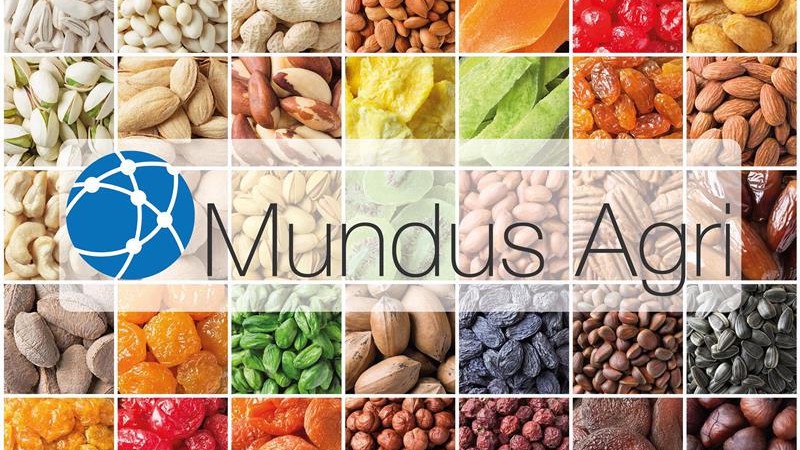
Poppy seeds from China and Pakistan flood MP market
BHOPAL: Poppy seed, known in Indian cuisine as Posta or khuskhus- has turned to be an unlikely front in the standoff between India and it is not so friendly neighbors. With mandis in Madhya Pradesh (MP) refusing to deal in the pricey spice after changes in the drugs Act, sackloads of it from China and Pakistan are flooding the markets here.
Traders fear that they may be booked under Narcotic Drugs and Psychotropic Substances (NDPS) Act now that the Centre has amended the law and the MP government has implemented it. But that hasn't diminished the demand for it for recipes like aloo-posta, khuskhus halwa and thandai.
So, Poppy from China and the Afghanistan-Pakistan border via Turkey has replaced the produce from Malwa and Rajasthan, say opium farmers in Neemuch, where the trade was once worth US$35 million. The Neemuch mandi was the biggest Poppy trade Centre; now it won't touch the spice. The same goes for the neighboring Ratlam mandi.
Umrao Gurjar, a farmers' leader in Neemuch, said, "The poppy you get from Turkey is actually grown on the Pakistan-Afghanistan border. All the poppy seed available in market now belongs to the hostile countries at the cost of Indian farmers."
Jaynarayan Singh, convener of Swadeshi Jagran Manch in MP and Chhattisgarh wants the Centre to "review" the poppy seed rules, ensuring at the same time that no "irregularity" takes place. Recommended By Colombia
More than 30,000 plants are given to farmers to grow opium in the Malwa region of MP under surveillance of narcotics department. Poppy season starts in February and after extraction of opium, khuskhus (poppy seeds) is extracted in April-May and farmers start bringing the seeds to market in June -July, said by an opium farmer in Ratlam town.
The problem started when the government banned sale and purchase of poppy husk. "This was done in 2016 after the Centre amended the NDPS Act. Now a farmer can filter Poppy in his field and destroy the husk. No husk is allowed outside the field," said excise commissioner Arun Kochar told TOI.
Farmer Radheshyam Dhangar said, "We do filter it in the fields but some waste material or residue of husk still remains in the Poppy we take to the market. This scares traders, who fear prosecution and shun the entire lot."
President of Opium Producers and Farmers Organization Kaloo Singh Borana said, "There is just 0.02 % morphine content in waste material. It otherwise doesn't come under NDPS Act."
(Source: Times of India)
View related articles