
Chestnuts: start of the season in Australia
April 8, 2026 at 11:56 AM ,
Der AUDITOR
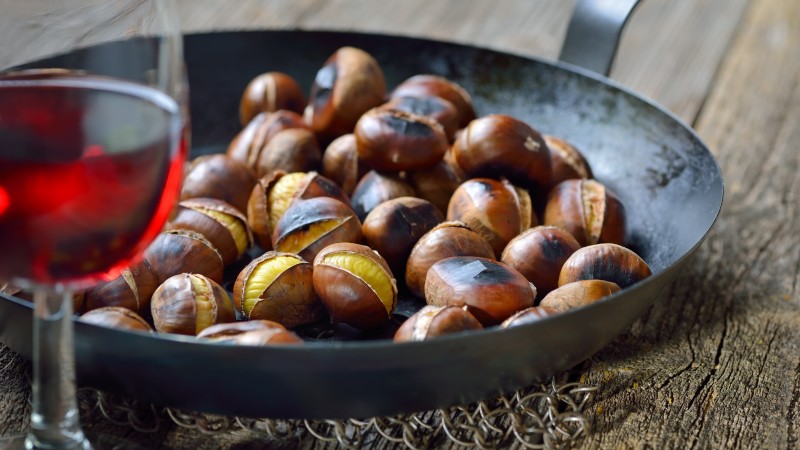
Slightly delayed harvest
The Australian chestnut season has begun and the crop reached the market just in time for Easter, which is traditionally considered the first peak in demand. Although dry and cool weather has delayed the harvest, growers report steadily increasing availability, as FreshPlaza reports, citing Chestnuts Australia. As the harvest progresses, supply is rising significantly in the key growing regions. Despite the weather-related delay, quality is high, and intensive efforts have been made to ensure sufficient stock was available in time for the Easter demand.
Around 75% of Australian production comes from North-East Victoria, particularly from places such as Beechworth, Stanley, Bright and Myrtleford. Further volumes come from regions in New South Wales, the Adelaide Hills, Western Australia and Tasmania. The climatic conditions in these growing regions ensure a stable supply to key markets across the country.
Consistent quality management
As chestnuts are only collected after they have fallen naturally, careful post-harvest handling is crucial. To ensure freshness and quality, they must be cooled quickly and stored throughout the process in a closed cold chain. Unlike many other nuts, they are considered a fresh produce, which places higher demands on transport and storage. Brian Casey, President of Chestnuts Australia, emphasises that, in addition to rising crop volumes, consistent quality management throughout the supply chain is crucial to ensuring the produce reaches the market in optimal condition. After all, chestnuts remain a seasonal product.
Turkey is the EU’s main supplier
EU chestnut imports have fallen by just under 7% since the start of the year compared with the same period last year. Between 1 January and 31 March 2026, a total of 1,080 mt of chestnuts were imported, with Turkey being by far the largest supplier at 916 mt; shipments from Turkey have risen by almost 40% year-on-year, whilst China has seen a decline of just under 63%.
The largest buyer within the EU is Italy, followed by Portugal, which has increased its imports by a substantial 157%, and Spain – where, conversely, chestnut imports have fallen by more than 70%. The average import price so far this year stands at EUR 2.64/kg, meaning that chestnuts worth a good EUR 2.65 million have been imported to date.
|
EU chestnut imports, in mt |
|||
|
Partner |
2025 |
2026 |
Diff. |
|
Turkey |
660 |
916 |
38.8% |
|
China |
431 |
160 |
-62.9% |
|
Brazil |
- |
2 |
n/a |
|
Chile |
65 |
- |
-100.0% |
|
Others |
3 |
2 |
-33.3% |
|
Total |
1,159 |
1,080 |
-6.8% |
|
DG AGRI TAXUD Customs Surveillance System, 01/01-31/03 08024200+08024100 Fresh or dried chestnuts "Castanea spp.", shelled+ inshell |
|||
View more
- price charts
View related articles