Desiccated coconuts: oversupply puts pressure on prices
February 18, 2026 at 12:16 PM ,
Der AUDITOR
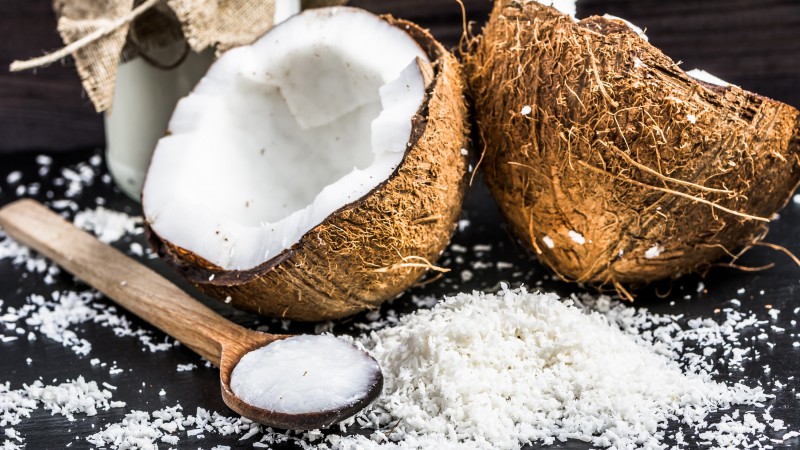
Desiccated coconuts under pressure
The Philippine market for desiccated coconuts is showing signs of increasing oversupply, which is putting noticeable pressure on prices. Although official export prices remain stable, the actual market dynamics are significantly weaker. Many buyers already have sufficient supplies for the first quarter of 2026, which means that new contracts are only being concluded hesitantly. At the same time, lower demand for coconut milk from China is dampening demand for raw materials, as the experts at T.M. Duché state in their latest report.
Additional capacity from new processing plants in the Philippines is exacerbating the situation. In an already well-supplied market, additional volumes are meeting with subdued demand. According to reports, older stocks are also entering the market with significant price concessions. These aggressive offers are causing short-term price increases and undermining official price indications. The result is an uncertain spot market with increased volatility. Despite fundamentally solid long-term prospects for coconut products, the short-term price trend remains fragile.
Coconut oil proves resilient
In contrast, the market for coconut oil is comparatively robust. International prices are stable, which should be seen in the context of an overall firm mood for vegetable oils. Particularly striking is the widening gap with palm kernel oil, which reflects the structurally tighter supply situation for coconut oil. Domestically, prices along the value chain also remain at elevated levels.
However, there are shifts on the demand side: in China, palm oil is losing ground to cheaper alternatives such as soybean and rapeseed oil. In the USA, imports of lauric oils remain stable overall, but with relative declines in coconut oil in favour of palm kernel oil, according to T.M. Duché.
In the Philippines, the Philippine Coconut Authority is continuing its reforestation programmes, which should lead to increases in production in the medium term. In the short term, however, available quantities continue to depend heavily on weather conditions. Meanwhile, the stabilisation of container freight rates, which according to Drewry have become more predictable again after years of extreme fluctuations, is providing some relief.
View more
- price chart, desiccated coconuts, Sri Lanka
- price chart, desiccated coconuts, Indonesia
- price chart, desiccated coconuts, Philippines
- price chart, coconut oil, Indonesia
- more price charts
View related articles