
EU: extensive funding gap for agriculture
January 13, 2026 at 11:02 AM ,
Der AUDITOR
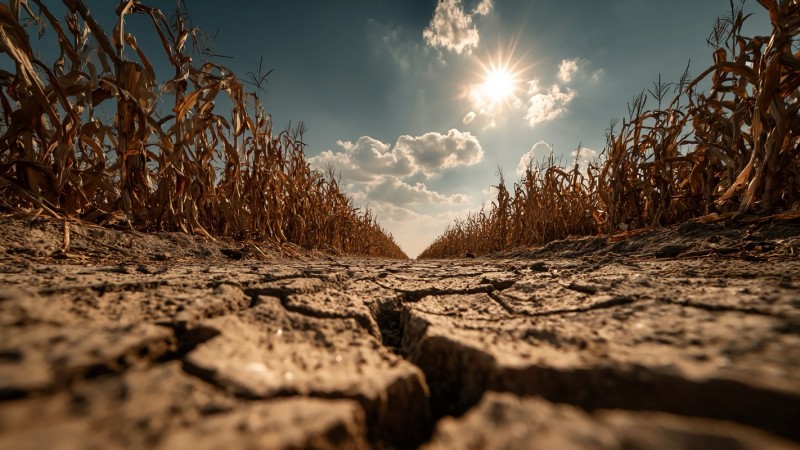
The three economic sectors are highly vulnerable to climate change, shows the EEA briefing “Making agriculture, energy and transport climate resilient: how much money is required and what will it deliver?”.
As Europe is the fastest-warming continent, the effects of climate change are already here with accelerating extreme weather events such as floods, droughts, heatwaves and wildfires costing Europe EUR 40-50 billion (USD 47-58 billion) per year.
Investment gap of more than EUR 100 billion per year
The investments required will range between EUR 53bn and 137bn (USD 62bn 160bn) annually by 2050 and a further EUR 59-173bn (USD 69-202bn) annually by 2100 depending on whether the temperature will rise by 1.5°C to 2°C, or by 3°C compared to pre-industrial temperatures. Current committed funding levels are estimated at just EUR 15-16bn (USD 18-19bn) per year for these sectors. The funding comes mostly from the public sector, at EU, national and regional level.
To put things into perspective, the EU experienced annual economic losses of around EUR 40-50bn (USD 47-58bn) per year between 2021 and 2024 due to extreme weather events, totalling EUR 822bn (USD 959bn) over the period 1980–2024. The costs are increasing, the years between 2021 and 2024 accounting for the biggest annual losses. As those figures account for direct losses only, the sum of total costs will be higher.
Return on investment for climate-proofing
Investing in climate adaptation delivers benefits beyond just avoiding losses from extreme events: adapting to rising coastal flood risks in the EU would deliver EUR 6 (USD 7) for every euro invested, according to a study by the Joint Research Centre of the European Commission.
Another study, on a global level, by the World Resources Institute, concluded that every US dollar invested in adaptation may bring over USD 10.50 (EUR 9.00) in benefits over a 10-year period and yield average returns of 27% per project.
Double and triple dividend of adaptation investments
When discussing benefits of climate adaptation, two concepts are relevant:
- The double dividend concept: reducing climate risks not only protects people, infrastructure and economies from the damages created by climate impacts (adaptation dividend) but also helps cutting greenhouse gas emissions or boosts sustainability (mitigation dividend). For example, in the case of nature-based solutions, restoring wetlands both protects against floods and stores CO2.
- The triple dividend concept: not only avoiding losses but also unlocking economic potential and generating development co-benefits.
The case is clear: investing now in making agriculture, energy and transport climate resilient would contribute to Europe’s competitiveness and would help with other challenges, such as food security.
View related articles