Desiccated coconuts: Malaysia focusses on sustainability
August 28, 2024 at 4:55 PM ,
Der AUDITOR
USA buys coconut water
The market for coconut products is currently very volatile, as the experts at T.M. Duché report. Coconut oil prices in particular have fluctuated in recent weeks and are currently hovering between EUR 1,610 and 1,617.50/mt CIF Rotterdam. Buyers are largely holding back, a situation that has persisted for around five weeks. Palm kernel oil, which according to the experts often develops in parallel with coconut oil, is trading at USD 1,410-1,440/mt CIF.
Exports from the Philippines increased significantly in April, with non-traditional products in particular recording growth. For example, 11,410 mt of coconut water worth USD 9.63 million were shipped overseas – this is particularly remarkable as there were no exports of this kind in the same period last year. The most important customers were the USA, Canada and the UK, which accounted for more than 92% of coconut water exports according to T.M. Duché. Hydrogenated coconut oil was the second most important export product and, at just under USD 3.63 million, brought in twice as much as in the previous year. Here too, the majority of exports went to the USA, followed by Australia and the UK.
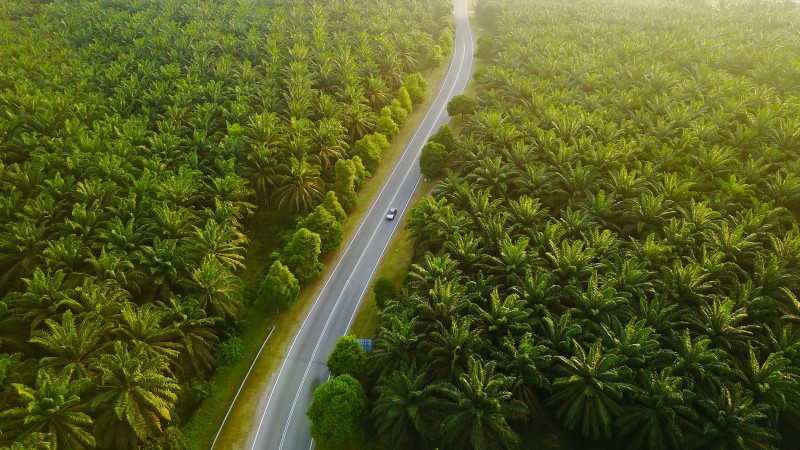
Malaysia, meanwhile, is taking a big step towards sustainability. The country has committed to not planting any new oil palm plantations in forested areas in order to maintain the current forest cover of 54%. “This policy aligns with global efforts to enhance biodiversity protection and reflects Malaysia’s commitment to meeting stringent sustainability standards in its palm oil exports”, said T.M. Duché.
Great opportunities for Vietnam's exporters
According to VietNamNet Global, Phùng Đức Tiến, Deputy Minister of Agriculture and Rural Development in Vietnam, stated that the country has allowed the official export of 11 types of fruits and vegetables to China, including watermelons, fresh bananas and mangoes, for example. The two countries are currently preparing to sign a protocol on quarantine requirements for fresh coconuts in the near future. This will open up new opportunities for exporters, as China is a huge market with an annual demand of 2.6 billion fresh coconuts and 1.5 billion coconuts for processing, according to VietNamNet Global. Short transport routes and correspondingly low costs would make Vietnamese goods particularly competitive here. China's own coconut production currently only covers around 10% of domestic demand.
View more
- price chart, desiccated coconuts, Sri Lanka
- price chart, desiccated coconuts, Indonesia
- price chart, desiccated coconuts, Philippines
- price chart, coconut oil, Indonesia
- more price charts
View related articles