Pistachios: US farmers suffer from water shortage
July 7, 2022 at 11:22 AM ,
Der AUDITOR
"Nut fill" in California
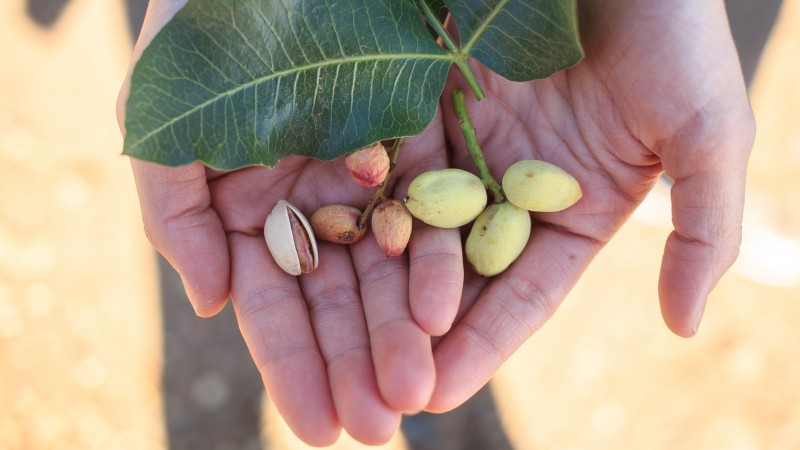
The prolonged drought in California is also taking its toll on pistachio farmers. The next few weeks will prove to be particularly crucial, because now the phase begins in which the pistachio trees form the nuts in the shell - the so-called "nut fill". Richard Matoian, President of American Pistachio Growers, is quoted by FreshPlaza as saying: “If you don’t have enough irrigation water available during the nut fill period, the tree will not fully form the nut inside that shell.” He emphasises that the differences within California are high; while some farmers are lucky and their plantations are located in areas that are supplied with sufficient ground and surface water, for some others the resources are severely limited.
Groundwater is being limited
The American Pistachio Growers also report that implementation of the Sustainable Groundwater Management Act (SGMA) has begun. This law, passed in 2014, requires all groundwater basins in California to be managed sustainably, and agencies have been established to ensure compliance with the law. “So for the first time, we’re being told by many growers that their groundwater agency is restricting their pumping of groundwater. And the way they’re restricting it is they’re saying you can only pump out X amount,” FreshPlaza further quotes Matoian as saying. “And if growers exceed the amount that’s allowed, they are then going to be charged a penalty or a fee”.
Smaller crop
The consequence is that farmers have to manage with much less water and ration strategically. Therefore, most prefer to irrigate sufficiently during the nut formation phase and only provide the trees with the most necessary water during the other months. This is by all means the most reasonable method, but farmers still have to reckon with smaller nuts or a smaller crop in general. Added to this are the increased energy costs as a further burden. Matoian states that the crop volume is currently estimated at 453,592 mt, which is less than last year. Meanwhile, demand is good and US exports are up to all markets except Europe. “We hope that rebounds and comes back”, says Matoian. “The belief was that Europe had enough product there and they were waiting to see what the size of the crop was here before they made commitments to purchase”.
There has been little movement in pistachio prices on the European spot market in recent months. Pistachios, inshell, N1 21/27 NO from the USA currently cost EUR 8.45/kg FCA Spain.
View more
- price charts, pistachios, Iran
- more price charts
View related articles