
Quinoa: coloured varieties remain expensive
November 13, 2025 at 4:25 PM ,
Der AUDITOR
Stable market in Peru
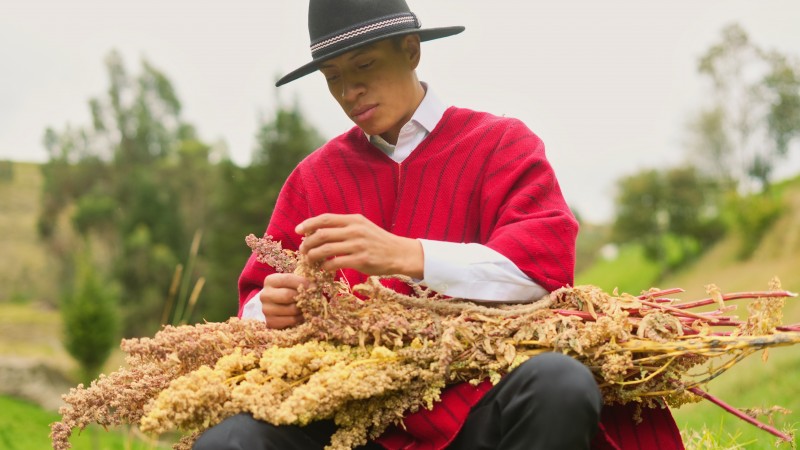
As the experts at Chelmer Foods state in their latest report, the Peruvian quinoa market remains stable despite lower demand. White quinoa is sufficiently available, which is stabilising prices. A new crop brought a small additional quantity of coloured quinoa onto the market, but supply is still scarce. Furthermore, existing regulations on phosphonic acid and fosetyl content limit the ability of Peruvian exporters to supply organic quinoa to the EU.
Bolivia's supplies sufficient for now
In Bolivia, prices for white quinoa have fallen slightly. Red and black quinoa, however, remain in short supply, which is driving up prices for tricolour quinoa in particular, according to Chelmer Foods. Exchange rate fluctuations remain a critical factor for exporters. Following the recent elections, Bolivia is entering a more market-oriented phase after almost two decades under the leadership of the MAS. The new government is focusing on macroeconomic stability, investment and export diversification – which should also benefit the quinoa sector. At the moment, it looks as if Bolivia's quinoa stocks will be sufficient to meet demand until the new crop in April/May 2026. However, prices could rise from the turn of the year onwards as stocks run low.
EU imports significantly above last year's level
EU countries have further increased their quinoa imports. Between 1 July and 9 November 2025, import volumes rose by 26.0% to 10,506 mt compared to the same period last year. According to data from the European Commission, the average import price of EUR 2.37/kg is actually around 2% lower than last year.
Peru and Bolivia remain close together; Peru increased its exports to the EU by 11.9% to 4,470 mt compared to last year, while Bolivia recorded a 16.5% increase in exports to EU countries, supplying a total of 4,158 mt. India lagged behind in third place with 1,284 mt, but with a remarkable increase of 213.2%.
Spain was the most important buyer of quinoa within the EU, increasing its imports by 116.2% to 2,530 mt compared to the same period last year. It is followed by the Netherlands (+59.2% to 2,080 mt), Germany (-5.8% to 1,780 mt) and Italy (+65.4% to 1,720 mt).
|
EU quinoa impots, in mt |
|||
|
Partner |
2024 |
2025 |
Diff. |
|
Peru |
3,993 |
4,470 |
11.9% |
|
Bolivia |
3,570 |
4,158 |
16.5% |
|
India |
410 |
1,284 |
213.2% |
|
USA |
0,050 |
311 |
n/a |
|
New Zealand |
0,002 |
216 |
n/a |
|
Others |
368 |
67 |
-81.8% |
|
Total |
8,341 |
10,506 |
26.0% |
|
DG AGRI TAXUD Customs Surveillance System, 01/07-09/11 10085000 Quinoa "Chenopodium quinoa" |
|||
View more
- price charts for dried fruit, oilseeds, spices and more
View related articles