Germany: organic sales boom despite inflation
May 5, 2026 at 1:16 PM ,
Der AUDITOR
Organic sales outperform food market growth
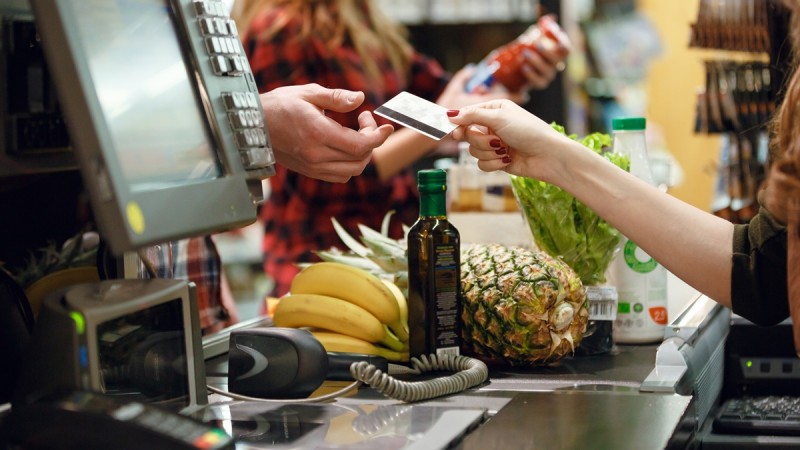
Organic food and drink sales rose by 6% in the first quarter of 2026 as compared with the same period last year, reaching a total of EUR 4.91 billion (USD 5.74 billion) according to the German Organic Food Industry Association (BÖLW), which complied the figures for the first time. The increase in organic sales has thereby outpaced the food inflation rate of 1.8% and stands out from the food market, which grew by 2.5% in the same three-month period.
Sharp rise in drugstore demand
With an increase of 14% growth was particularly strong in drugstores, which increased their share in the total organic market by nearly 1% to 12.8%. E-commerce sales of organic products also grew significantly, by double digits. Discounters sold most organic goods, accounting for 30% of the market, followed by full-range retailers with 29%, specialist retailers with 17% and e-commerce with around 5%. Farm shops, bakeries and butchers along with weekly markets and petrol stations account for the remaining 6%.
Consumers opt for food industry that works with nature
“Even in times of crisis, organic farming remains a growth sector that will soon create 400,000 jobs,” as Tina Andres, Chair of the BÖLW Executive Board reckons. “More and more consumers are opting for a food industry that works with nature, without synthetic chemical pesticides and without artificial fertilisers.” Given the global situation, this is not only good for the environment but also contributes to food security. “The current surge in fertiliser prices does not affect organic farmers.” Andres’ appeal: “Germany and the EU must take into account the contribution of organic farming to resilience in their Common Agricultural Policy and create more incentives for the transition to organic farming.”
Meat substitutes, flour and confectionery, ice cream, frozen foods and delicatessen products along with ready meals, hot drinks and baked goods are showing double-digit growth rates in the organic dry goods range. By contrast, beer and spirits are seeing considerable declines. In the fresh food range, eggs and meat were the most successful in the first quarter, primarily due to price increases. Butter, bread and potatoes recorded sales declines. The organic specialist retail sector reported a 1.1% increase in sales in the first quarter. In the food retail sector, the main sales drivers were once again the retailers’ own organic brands with a 12.5% rise.
Background
This is the first time the BÖLW has compiled quarterly figures for the enire organic market in collaboration with the Agricultural Market Information Company (AMI), based on data from the market research institutes NIQ Nielsen and YouGov, as well as from the specialist retailers bioVista and BioBerater SD Services.
Annual turnover from organic food recently stood at EUR 18.23 billion (USD 21.31 billion) in 2025. The sector employed 388,000 people in 2024. Organic farming accounts for 11.7% of Germany’s total agricultural land. One in seven farms operates organically. Germany’s sustainability target is that organic farming will have a 30% share by 2030.
View the original press release here
View related articles