Quinoa: disappointing yields in Peru
June 12, 2025 at 3:51 PM ,
Der AUDITOR
High prices despite new crop
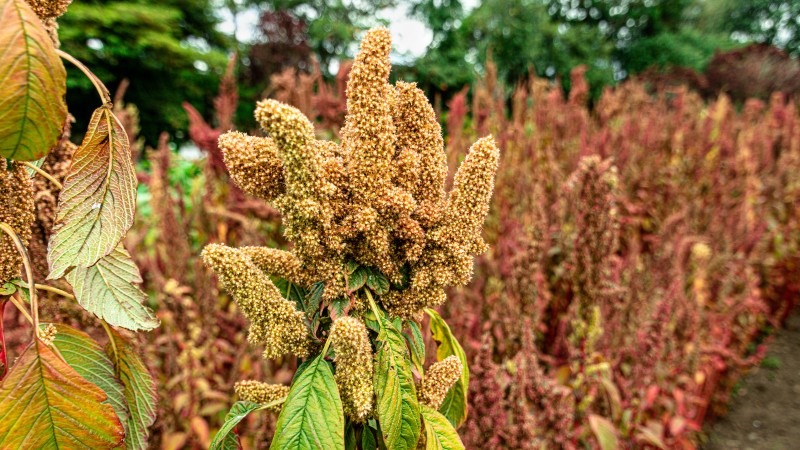
The Peruvian quinoa crop cannot keep up with expectations. While the prospects during the flowering period were promising, it became apparent during the harvesting process that yields were comparatively low. In addition, the harvest was delayed by around two months compared to the usual period, according to the experts at Chelmer Foods in their latest report. Market players are therefore not ruling out the possibility of short-term supply bottlenecks and price increases, while demand is high at the start of the season. In addition, there are hurdles to exporting organic quinoa to the European market due to the current restrictions on phosphonic acid and fosetyl aluminium residues.
In contrast to the results of the Peruvian crop, market players are satisfied with the yields in Bolivia. However, the sobering crop in the neighbouring growing country is causing a shift in demand, which has catapulted prices in Bolivia upwards. Price volatility is also fuelled by exchange rate fluctuations, according to Chelmer Foods. The price trend is therefore in stark contrast to the usual reductions at the start of a new season.
Meanwhile, diesel shortages are causing delays in the harvest and transport process, while political uncertainty in view of the upcoming elections is creating a tense atmosphere. Road closures, for example, could lead to delays in domestic deliveries.
In contrast to price trends in South America, prices on the Indian market have fallen in recent weeks. Currently, sortex-cleaned quinoa is being offered for USD 654/mt FOB India, while prices around a month ago were still at USD 675-695/mt FOB, depending on the supplier.
Peru and Bolivia remain top suppliers
EU imports in the period from 1 July 2024 to 8 June 2025 are almost 47.8% higher than in the same period last year. Peru is the most important supplier here with 10,277 mt and an increase of almost 42%, closely followed by Bolivia, which increased its shipments to the EU by almost 35.8% to 10,254 mt. India, whose exports to the EU nevertheless achieved a massive increase of 650.3% to 1,283 mt, was well behind in third place. The most important buyer countries in the EU during this period were Germany (+25.8% to 5,260 mt), the Netherlands (+49.1% to 4,070 mt) and Spain (+98.7% to 3,140 mt). The import value of the 2024/25 season to date amounts to EUR 58.129 million, compared to EUR 35.763 million in the same period of the previous year.
|
EU quinoa imports, in mt |
|||
|
Partner |
2023/24 |
2024/25 |
Diff. |
|
Peru |
7,244 |
10,277 |
41.9% |
|
Bolivia |
7,549 |
10,254 |
35.8% |
|
India |
171 |
1,283 |
650.3% |
|
Morocco |
0,002 |
294 |
14,699.900.0% |
|
New Zealand |
0,880 |
117 |
13195.5% |
|
Others |
305 |
349 |
14.4% |
|
Total |
15,270 |
22,574 |
47.8% |
|
DG AGRI TAXUD Customs Surveillance System, 01/07-08/06 10085000 Quinoa, “Chenopodium, quinoa” |
|||
View more
- price charts for dried fruit, oilseeds, spices and more
View related articles